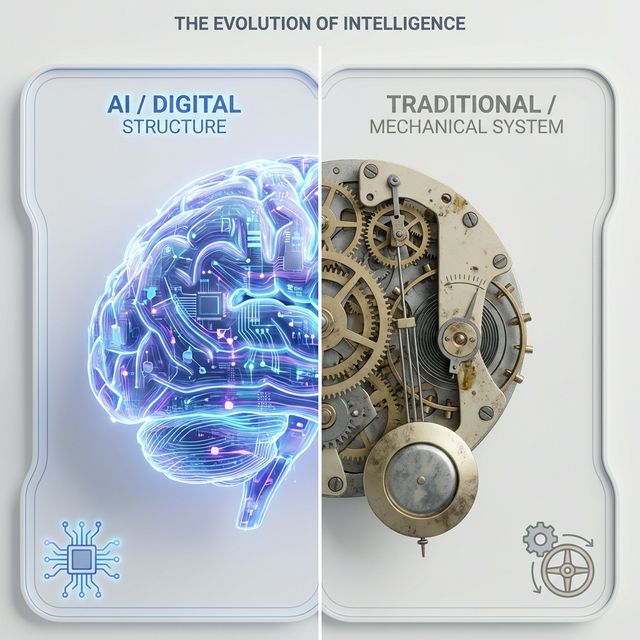
The Shifting Landscape of Customer Service
For decades, the standard for customer support has been the call center model. Rows of agents, headsets on, answering calls and tickets one by one. It was a model built on human labor, linear scaling, and inevitable inefficiencies. As a business grew, its support costs grew in lockstep—or often, even faster.
But in 2026, the paradigm has fundamentally shifted. The question is no longer "should we use AI?" but rather "how deeply should we integrate it?" With the advent of advanced Retrieval-Augmented Generation (RAG) technology, AI agents like Mugib have moved beyond simple scripted bots to become capable, context-aware support representatives.
The Economics of Scale
The most immediate and striking difference between traditional and AI support lies in the economics. Traditional support teams are expensive to maintain. Beyond the base salary, there are hidden costs: recruitment, training, benefits, software licenses, and management overhead. When a support team is overwhelmed, the only solution is to hire more people—a slow and costly process.
AI, by contrast, offers near-infinite elasticity. Whether you have ten inquiries a day or ten thousand, the AI handles them with the same speed and consistency. The cost per interaction drops from dollars to pennies. This isn't just about saving money; it's about decoupling your growth from your operational expenses. You can double your customer base without doubling your support budget.
Speed and Availability: The New Standard
In the digital age, patience is a scarce resource. Customers expect instant answers. A response time of 24 hours via email is no longer "acceptable"—it's a friction point that loses sales. Traditional teams struggle with this, especially outside of business hours. An issue at 2 AM on a Saturday often waits until Monday morning to be resolved.
AI obliterates this waiting period. It is always on, always alert, and always instant. A customer asking about a refund policy gets an answer in milliseconds, not hours. This immediacy translates directly to higher customer satisfaction scores (CSAT) and better conversion rates. When a potential buyer gets an answer instantly, they are far more likely to complete a purchase than if they have to wait.
The Human Element: Where People Still Shine
However, it would be disingenuous to claim that AI is superior in every regard. There is a distinct, irreplaceable value in human connection. Empathy, nuance, and complex problem-solving remain uniquely human traits. When a customer is frustrated, angry, or facing a highly unusual problem that requires judgment calls outside of company policy, a human agent is indispensable.
The most successful companies understand this nuance. They don't replace humans entirely; they elevate them. By letting AI handle the repetitive, informational queries—"Where is my order?", "How do I reset my password?", "What is your return policy?"—human agents are freed from drudgery. They can focus their energy on the 20% of cases that truly require emotional intelligence and critical thinking.
The Hybrid Future
The winning strategy for 2026 is the hybrid model. It uses AI as the first line of defense, resolving the vast majority of inquiries instantly and accurately. It acts as a filter, ensuring that only the complex, high-value interactions reach human agents. This approach reduces burnout for support teams, lowers costs for the business, and provides a faster experience for the customer.
Ultimately, the choice isn't between AI and humans. It's about finding the synergy where each plays to their strengths. AI provides the scale, speed, and consistency; humans provide the empathy and judgment. Together, they create a support experience that is superior to what either could achieve alone.
المشهد المتغير لخدمة العملاء
لعقود من الزمن، كان المعيار لدعم العملاء هو نموذج مركز الاتصال. صفوف من الموظفين، يضعون سماعات الرأس، ويجيبون على المكالمات والتذاكر واحدة تلو الأخرى. كان نموذجاً مبنياً على العمل البشري، والتوسع الخطي، وعدم الكفاءة المحتومة. كلما نمت الشركة، ارتفعت تكاليف دعمها بنفس الوتيرة—أو في كثير من الأحيان، بوتيرة أسرع.
لكن في عام 2026، تغير النموذج بشكل جذري. لم يعد السؤال "هل يجب أن نستخدم الذكاء الاصطناعي؟" بل "ما مدى عمق دمجه؟". مع ظهور تقنية التوليد المعزز بالاسترجاع (RAG) المتقدمة، انتقل وكلاء الذكاء الاصطناعي مثل "مجيب" من مجرد روبوتات نصية بسيطة ليصبحوا ممثلين للدعم قادرين وواعين بالسياق.
اقتصاديات التوسع
الفرق الأكثر وضوحاً ومباشرة بين الدعم التقليدي ودعم الذكاء الاصطناعي يكمن في الاقتصاديات. فرق الدعم التقليدية مكلفة للصيانة. إلى جانب الراتب الأساسي، هناك تكاليف خفية: التوظيف، التدريب، المزايا، تراخيص البرمجيات، وتكاليف الإدارة. عندما يُغمر فريق الدعم، يكون الحل الوحيد هو توظيف المزيد من الأشخاص—وهي عملية بطيئة ومكلفة.
على النقيض من ذلك، يوفر الذكاء الاصطناعي مرونة شبه لا نهائية. سواء كان لديك عشرة استفسارات في اليوم أو عشرة آلاف، يتعامل الذكاء الاصطناعي معها بنفس السرعة والاتساق. تنخفض التكلفة لكل تفاعل من دولارات إلى سنتات. هذا ليس مجرد توفير للمال؛ بل هو فك ارتباط نموك بنفقاتك التشغيلية. يمكنك مضاعفة قاعدة عملائك دون مضاعفة ميزانية الدعم الخاصة بك.
السرعة والتوفر: المعيار الجديد
في العصر الرقمي، الصبر عملة نادرة. يتوقع العملاء إجابات فورية. وقت استجابة لمدة 24 ساعة عبر البريد الإلكتروني لم يعد "مقبولاً"—بل هو نقطة احتكاك تفقدك المبيعات. تعاني الفرق التقليدية من هذا، خاصة خارج ساعات العمل. مشكلة تحدث في الساعة 2 صباحاً يوم السبت غالباً ما تنتظر حتى صباح الاثنين ليتم حلها.
الذكاء الاصطناعي يلغي فترة الانتظار هذه. إنه يعمل دائماً، متيقظ دائماً، وفوري دائماً. العميل الذي يسأل عن سياسة الاسترداد يحصل على إجابة في أجزاء من الثانية، وليس ساعات. تترجم هذه الفورية مباشرة إلى درجات أعلى في رضا العملاء (CSAT) ومعدلات تحويل أفضل. عندما يحصل المشتري المحتمل على إجابة فورية، فمن المرجح أن يكمل عملية الشراء أكثر مما لو اضطر للانتظار.
العنصر البشري: حيث لا يزال البشر يتألقون
ومع ذلك، سيكون من غير المنصف الادعاء بأن الذكاء الاصطناعي متفوق في كل جانب. هناك قيمة مميزة لا يمكن استبدالها في التواصل البشري. التعاطف، والفهم العميق، وحل المشكلات المعقدة تظل سمات بشرية فريدة. عندما يكون العميل محبطاً، أو غاضباً، أو يواجه مشكلة غير عادية للغاية تتطلب اتخاذ قرارات خارج سياسة الشركة، فإن الوكيل البشري لا غنى عنه.
تدرك الشركات الأكثر نجاحاً هذا الفارق الدقيق. إنهم لا يستبدلون البشر بالكامل؛ بل يرفعون من شأنهم. من خلال السماح للذكاء الاصطناعي بالتعامل مع الاستفسارات المتكررة والمعلوماتية—"أين طلبي؟"، "كيف أعيد تعيين كلمة المرور؟"، "ما هي سياسة الإرجاع؟"—يتحرر الوكلاء البشريون من الاعمال الروتينية. يمكنهم تركيز طاقتهم على الـ 20% من الحالات التي تتطلب حقاً ذكاءً عاطفياً وتفكيراً نقدياً.
المستقبل الهجين
الاستراتيجية الرابحة لعام 2026 هي النموذج الهجين. يستخدم الذكاء الاصطناعي كخط دفاع أول، حيث يحل الغالبية العظمى من الاستفسارات فوراً وبدقة. يعمل كمرشح، مما يضمن وصول التفاعلات المعقدة وعالية القيمة فقط إلى الوكلاء البشريين. يقلل هذا النهج من الإرهاق لفرق الدعم، ويخفض التكاليف للشركة، ويوفر تجربة أسرع للعميل.
في النهاية، الخيار ليس بين الذكاء الاصطناعي والبشر. بل يتعلق الأمر بإيجاد التآزر حيث يلعب كل طرف وفقاً لنقاط قوته. يوفر الذكاء الاصطناعي التوسع والسرعة والاتساق؛ ويوفر البشر التعاطف والتقدير. معاً، يخلقون تجربة دعم تتفوق على ما يمكن لأي منهما تحقيقه بمفرده.