The Problem with Generic AI
When ChatGPT first launched, the world was amazed by its ability to write poems, code, and essays. But businesses quickly discovered a fatal flaw when they tried to use it for customer support: it didn't know *them*. Ask a generic AI about your company's specific return policy, and it will either politely decline to answer or, worse, confidently invent a policy that doesn't exist. This phenomenon is known as "hallucination," and for a business, it is a liability.
This limitation exists because traditional Large Language Models (LLMs) are frozen in time. They know everything about the internet up to their training date, but they know nothing about your private data, your new product launch yesterday, or your specific internal protocols.
Enter RAG: Giving AI a Sandbox
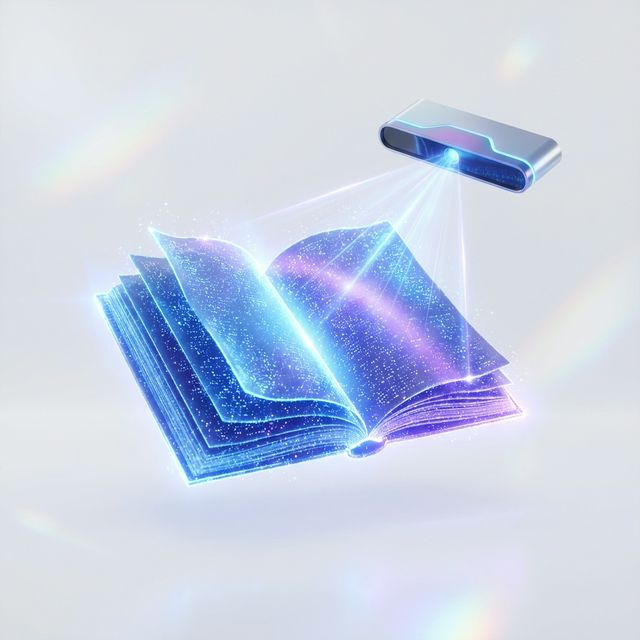
Retrieval-Augmented Generation, or RAG, is the technological breakthrough that bridges the gap between a powerful AI model and your proprietary data. Think of the LLM as a brilliant university professor. The professor is incredibly smart and articulate but has never read your company's employee handbook. RAG is the process of handing that handbook to the professor just before they answer a question.
Technically, RAG works in two distinct steps. First, the "Retrieval." When a user asks a question, the system doesn't just start guessing. It searches through your specific database of uploaded documents—PDFs, spreadsheets, website content—to find the exact paragraphs relevant to the query. It acts like a super-powered search engine.
Second, the "Generation." The system takes those retrieved facts and feeds them to the AI model with a specific instruction: "Using only these facts I just gave you, answer the user's question." The AI then crafts a natural, conversational response that is strictly grounded in the truth of your documents.
Why This Changes Everything for Business
The implications of RAG are transformative for enterprise reliability. First, it solves the accuracy problem. Because the AI is forced to cite its sources from your data, the rate of hallucination drops to near zero. If the answer isn't in your documents, the AI will truthfully say, "I don't have that information," rather than making something up.
Second, it allows for real-time updates. In the old world of AI fine-tuning, teaching a model new information required weeks of expensive retraining. With RAG, updating the AI is as simple as uploading a new file. If you change your pricing today and upload the new PDF, the AI will give the correct new price five seconds later.
Finally, RAG offers superior data security. Your private data is not used to train the public model. It sits in a secure, separate database that only your AI instance can access. This separation of "reasoning engine" (the public LLM) and "knowledge base" (your private RAG data) is what makes modern AI safe for sensitive business applications.
The Future is Context-Aware
As we move forward, RAG is becoming the standard for all business AI. It turns a chatbot from a creative toy into a serious business tool—one that combines the linguistic fluency of a human with the perfect recall of a database. For customers, this means answers that are not just fast, but trustworthy.
مشكلة الذكاء الاصطناعي العام
عندما تم إطلاق ChatGPT لأول مرة، ذهل العالم بقدرته على كتابة القصائد والأكواد والمقالات. لكن الشركات اكتشفت بسرعة عيباً قاتلاً عندما حاولت استخدامه لدعم العملاء: إنه لا يعرف *عنهم*. اسأل ذكاءً اصطناعياً عاماً عن سياسة الإرجاع الخاصة بشركتك، وسيرفض بأدب الإجابة أو، الأسوأ من ذلك، سيختلق بثقة سياسة غير موجودة. تُعرف هذه الظاهرة بـ "الهلوسة"، وبالنسبة للشركات، فهي مسؤولية قانونية.
يوجد هذا القيد لأن نماذج اللغة الكبيرة التقليدية (LLMs) مجمدة في الوقت. إنها تعرف كل شيء عن الإنترنت حتى تاريخ تدريبها، لكنها لا تعرف شيئاً عن بياناتك الخاصة، أو إطلاق منتجك الجديد بالأمس، أو بروتوكولاتك الداخلية المحددة.
ظهور RAG: منح الذكاء الاصطناعي مرجعاً
التوليد المعزز بالاسترجاع، أو RAG، هو الاختراق التكنولوجي الذي يسد الفجوة بين نموذج ذكاء اصطناعي قوي وبياناتك المملوكة. تخيل نموذج اللغة كأستاذ جامعي لامع. الأستاذ ذكي للغاية وفصيح ولكنه لم يقرأ أبداً دليل الموظف الخاص بشركتك. عملية RAG هي بمثابة تسليم ذلك الدليل للأستاذ قبل لحظات من إجابته على سؤال.
تقنياً، تعمل RAG في خطوتين متميزتين. أولاً، "الاسترجاع". عندما يطرح المستخدم سؤالاً، لا يبدأ النظام بالتخمين فقط. إنه يبحث في قاعدة بياناتك المحددة من المستندات المحملة—ملفات PDF، جداول البيانات، محتوى الموقع—للعثور على الفقرات الدقيقة ذات الصلة بالاستعلام. إنه يعمل مثل محرك بحث فائق القوة.
ثانياً، "التوليد". يأخذ النظام تلك الحقائق المسترجعة ويغذيها لنموذج الذكاء الاصطناعي بتعليمات محددة: "باستخدام هذه الحقائق التي أعطيتك إياها للتو فقط، أجب عن سؤال المستخدم". ثم يصوغ الذكاء الاصطناعي استجابة طبيعية ومحادثتي ترتكز بصرامة على حقيقة مستنداتك.
لماذا يغير هذا كل شيء للأعمال
الآثار المترتبة على RAG تحويلية لموثوقية المؤسسة. أولاً، يحل مشكلة الدقة. ولأن الذكاء الاصطناعي مجبر على ذكر مصادره من بياناتك، ينخفض معدل الهلوسة إلى ما يقرب من الصفر. إذا لم تكن الإجابة في مستنداتك، سيقول الذكاء الاصطناعي بصدق، "ليس لدي تلك المعلومات"، بدلاً من اختلاق شيء ما.
ثانياً، يسمح بالتحديثات في الوقت الفعلي. في العالم القديم لضبط الذكاء الاصطناعي، كان تعليم النموذج معلومات جديدة يتطلب أسابيع من إعادة التدريب المكلفة. مع RAG، تحديث الذكاء الاصطناعي بسيط مثل تحميل ملف جديد. إذا قمت بتغيير أسعارك اليوم وحملت ملف PDF الجديد، سيعطي الذكاء الاصطناعي السعر الجديد الصحيح بعد خمس ثوانٍ.
أخيراً، توفر RAG أماناً فائقاً للبيانات. لا يتم استخدام بياناتك الخاصة لتدريب النموذج العام. إنها موجودة في قاعدة بيانات آمنة ومنفصلة لا يمكن الوصول إليها إلا من قبل نسخة الذكاء الاصطناعي الخاصة بك. هذا الفصل بين "محرك التفكير" (LLM العام) و "قاعدة المعرفة" (بيانات RAG الخاصة بك) هو ما يجعل الذكاء الاصطناعي الحديث آمناً لتطبيقات الأعمال الحساسة.
المستقبل مدرك للسياق
بينما نمضي قدماً، أصبحت RAG هي المعيار لجميع تقنيات الذكاء الاصطناعي للأعمال. إنها تحول روبوت الدردشة من لعبة إبداعية إلى أداة عمل جادة—أداة تجمع بين الطلاقة اللغوية للإنسان مع الاستدعاء المثالي لقاعدة البيانات. بالنسبة للعملاء، هذا يعني إجابات ليست سريعة فحسب، بل جديرة بالثقة.