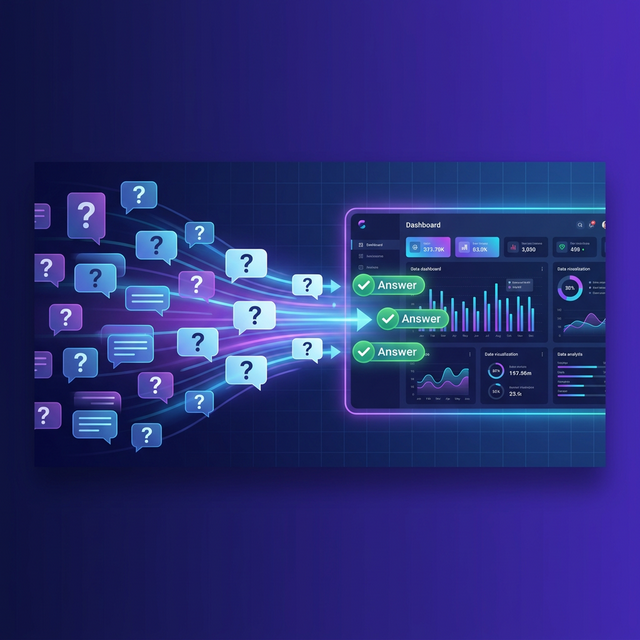
Your Bot Can't Answer Everything — But It Should Learn From Its Gaps
No AI bot is perfect from day one. Even after you upload your documents and set everything up, customers will still ask questions your bot can't fully answer. That's normal — and actually, it's an opportunity.
Mugib tracks every question your bot couldn't answer with confidence and logs them in the Unanswered Questions table. This isn't just a failure report — it's a goldmine of insight about what your customers actually need.
What Is the Unanswered Questions Feature?
Every time a customer sends a message and your bot responds with a fallback ("I'm sorry, I don't have that information"), Mugib logs that interaction automatically. You can view all of these in your project dashboard under Analytics → Unanswered Questions.
Each entry shows:
- The exact question the customer asked
- The channel it came from (WhatsApp, Telegram, web widget, etc.)
- The timestamp
- How often similar questions appeared
How to Use It to Improve Your Bot
Step 1: Review Weekly
Set aside 10–15 minutes every week to review the Unanswered Questions log. Look for patterns — if 20 customers asked about return policies and your bot couldn't answer, that's a clear signal.
Step 2: Group Similar Questions
You'll often find the same question asked in many different ways. "How do I cancel?" and "What's the cancellation process?" and "Can I get a refund?" might all point to the same gap. Group them.
Step 3: Add Content to Your Knowledge Base
Once you identify a gap, go to your Knowledge Base and add the missing information. Write a clear answer that addresses the question directly. The more specific, the better.
"The best way to improve an AI bot is to listen to what it doesn't know — then teach it."
Step 4: Test the Fix
After adding content, use the built-in chat tester to ask the same questions. Make sure your bot now responds correctly before pushing the change live.
Step 5: Repeat
AI improvement is a continuous loop, not a one-time setup. The most successful Mugib customers review their Unanswered Questions every week and make incremental improvements. Over time, this dramatically reduces unanswered rates.
Common Patterns to Watch For
- Pricing questions: Customers often ask about pricing details not mentioned in your documents.
- Process questions: "How do I..." questions reveal missing step-by-step guides.
- Product-specific questions: Questions about specific SKUs, models, or variants.
- Edge cases: Unusual situations your content didn't anticipate.
The Result: A Bot That Gets Smarter Every Week
Businesses that actively use the Unanswered Questions feature typically see a 30–50% reduction in unanswered rates within the first month. Customers get better answers, support load drops, and your bot becomes a genuine asset — not just a nice-to-have.
Don't set your bot and forget it. Let it tell you what it needs to know.
بوتك لا يستطيع الإجابة على كل شيء — لكنه يجب أن يتعلم من ثغراته
لا يوجد بوت ذكاء اصطناعي مثالي من اليوم الأول. حتى بعد رفع مستنداتك وإعداد كل شيء، سيظل العملاء يسألون أسئلة لا يستطيع بوتك الإجابة عليها بثقة. هذا طبيعي — وفي الواقع، هو فرصة.
مجيب يتتبع كل سؤال لم يتمكن بوتك من الإجابة عليه بثقة ويسجّله في جدول الأسئلة غير المجاب عليها. هذا ليس مجرد تقرير فشل — بل كنز من المعلومات حول ما يحتاجه عملاؤك فعلاً.
ما هي ميزة الأسئلة غير المجاب عليها؟
في كل مرة يرسل فيها عميل رسالة ويرد بوتك برد احتياطي («آسف، لا أملك هذه المعلومات»)، يسجّل مجيب تلك المحادثة تلقائياً. يمكنك عرض هذه السجلات في لوحة تحكم مشروعك تحت التحليلات ← الأسئلة غير المجاب عليها.
كل إدخال يُظهر:
- السؤال الذي طرحه العميل بالضبط
- القناة التي جاء منها (واتساب، تيليجرام، ودجت الويب، إلخ)
- التوقيت
- عدد مرات ظهور أسئلة مماثلة
كيف تستخدمها لتحسين بوتك
الخطوة 1: راجعها أسبوعياً
خصّص 10 إلى 15 دقيقة كل أسبوع لمراجعة سجل الأسئلة غير المجاب عليها. ابحث عن الأنماط — إذا سأل 20 عميلاً عن سياسة الإرجاع ولم يستطع بوتك الإجابة، فهذه إشارة واضحة.
الخطوة 2: جمّع الأسئلة المتشابهة
ستجد في الغالب نفس السؤال مطروحاً بطرق مختلفة. «كيف أُلغي؟» و«ما إجراء الإلغاء؟» و«هل يمكنني استرداد المبلغ؟» قد تشير جميعها إلى نفس الثغرة. جمّعها معاً.
الخطوة 3: أضف المحتوى لقاعدة المعرفة
بمجرد تحديد الثغرة، اذهب إلى قاعدة المعرفة وأضف المعلومات الناقصة. اكتب إجابة واضحة تعالج السؤال مباشرة. كلما كانت أكثر تحديداً، كان ذلك أفضل.
«أفضل طريقة لتحسين بوت الذكاء الاصطناعي هي الاستماع إلى ما لا يعرفه — ثم تعليمه إياه.»
الخطوة 4: اختبر الإصلاح
بعد إضافة المحتوى، استخدم أداة اختبار المحادثة المدمجة لطرح نفس الأسئلة. تأكد من أن بوتك يرد بشكل صحيح قبل نشر التغيير.
الخطوة 5: كرّر العملية
تحسين الذكاء الاصطناعي حلقة مستمرة، وليس إعداداً لمرة واحدة. أنجح عملاء مجيب يراجعون الأسئلة غير المجاب عليها كل أسبوع ويجرون تحسينات تدريجية. بمرور الوقت، يقلل هذا بشكل كبير من معدلات الأسئلة غير المجاب عليها.
أنماط شائعة يجب الانتباه إليها
- أسئلة الأسعار: يسأل العملاء كثيراً عن تفاصيل الأسعار غير المذكورة في مستنداتك.
- أسئلة العمليات: أسئلة «كيف أفعل...» تكشف عن أدلة خطوة بخطوة ناقصة.
- أسئلة منتجات محددة: أسئلة حول منتجات أو موديلات أو متغيرات بعينها.
- حالات استثنائية: مواقف غير عادية لم يتوقعها محتواك.
النتيجة: بوت يصبح أذكى كل أسبوع
الشركات التي تستخدم ميزة الأسئلة غير المجاب عليها بنشاط ترى عادةً انخفاضاً بنسبة 30 إلى 50% في معدلات الأسئلة غير المجاب عليها خلال الشهر الأول. يحصل العملاء على إجابات أفضل، وتنخفض أعباء الدعم، ويصبح بوتك أصلاً حقيقياً — لا مجرد إضافة جميلة.
لا تُعدّ بوتك وتنساه. دعه يخبرك بما يحتاج إلى معرفته.