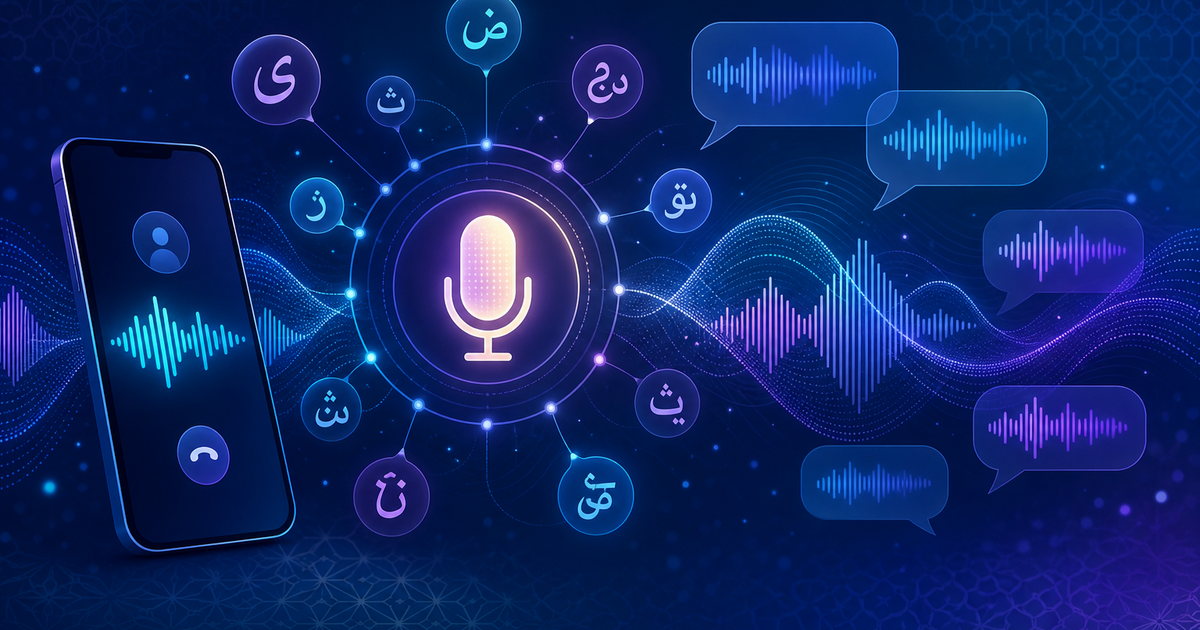
There is a reason customers still call. When the issue feels urgent, personal, or emotionally charged, typing into a chat box is not enough. They want to hear a voice. They want pace, tone, reassurance, and the subtle signals that tell them they are speaking with someone who understands the situation — or at least sounds like they do.
That is why voice AI is judged more harshly than text AI. A slightly formal answer in WhatsApp can still work. On a phone call, stiffness is noticed immediately. A translated sentence that is technically correct can still feel cold. And in Arabic markets especially, the gap between "understandable" and "natural" is often the gap between a caller who relaxes and a caller who asks for a human within twenty seconds.
Translation is not the same as sounding local
Many platforms treat multilingual support as a language switch. Arabic in, Arabic out. English in, English out. That works for documents. It often fails for voice.
Arabic is not one spoken experience. A patient in Baghdad, a shopper in Riyadh, a tenant in Cairo, and a traveler calling from Amman may all want support in Arabic while using completely different words for the same intent. One asks "وين الطلب؟" Another says "فين الأوردر؟" Another says "وين وصل الشحنة؟" All mean roughly the same thing, but only one of those phrasings feels native depending on who is listening.
If your voice agent replies in polished Modern Standard Arabic while the caller is clearly speaking in a local style, the conversation may be grammatically fine and still feel distant. On a phone call, distance reads as lack of care.
Why dialect support changes the first thirty seconds
The opening moments of a call decide whether the customer keeps talking or loses patience. A greeting that sounds locally natural builds trust faster than a perfect but generic script. So does the ability to understand informal phrasing without forcing the caller to repeat themselves in "proper" language.
Dialect-aware voice AI is not about slang for its own sake. It is about matching the customer's mental model. When someone hears a support line that sounds like it belongs to their city or region, they assume the company actually serves people like them. That assumption matters in healthcare, banking, telecom, delivery, hospitality, and any business where trust is part of the product.
It also improves comprehension on the other side. Customers rarely speak in tidy product terminology. They describe symptoms, delays, invoices, and complaints in everyday language. A voice agent that understands those local expressions is less likely to misroute the issue or give an answer that technically fits the wrong question.
The best voice agents do not try to impress callers with intelligence. They make callers feel the company is present, attentive, and speaking their language — literally.
What this looks like in real conversations
A telecom customer may call asking whether a fiber package is available in their neighborhood. A clinic caller may want to move an appointment but phrases it as a casual request rather than a formal booking action. A restaurant customer may ask about delivery timing with words that never appear in the official FAQ. A real-estate lead may ask "شو في متوفر؟" instead of requesting a structured property consultation.
In each case, the business knowledge can be the same. The policy can be the same. What changes is the spoken layer on top of it. Mujib Voice AI can be configured around the languages and dialects your customers actually use, so the phone experience sounds aligned with your market rather than translated into it.
One agent, multiple languages — without forcing a menu
Regional businesses rarely serve monolingual audiences. A caller may start in Arabic, switch to English for a product name, then return to Arabic to explain the problem. A strong voice agent should follow that movement naturally instead of asking the customer to press 1 for Arabic and 2 for English.
That matters because menus feel old, especially to mobile-first customers. People expect fluid conversation. They expect the system to keep context when they change language mid-sentence. They expect not to repeat their issue after every switch.
This is particularly valuable for companies operating across the Gulf, Levant, North Africa, and expatriate-heavy cities where Arabic and English coexist in the same call.
How to shape the voice experience before launch
Good dialect support starts with observation, not technology. Listen to real calls, read WhatsApp transcripts, and collect the phrases customers use when they are frustrated, rushed, or confused. Those are the lines your voice agent needs to understand first.
Then define tone. A private clinic may want warmth and reassurance. A logistics company may need speed and clarity. A luxury brand may prefer polished language with light local softness. A telecom provider may need confidence and direct answers. Dialect does not mean casual by default. It means appropriate.
Your knowledge base should also reflect real speech, not only formal policy language. If customers ask about "الأوردر" and your documentation only says "الطلب", teach the agent both. If they ask about "الفاتورة" and "ال bill", prepare for mixed-language queries. The more closely your content matches lived customer language, the more human the voice layer becomes.
Once that foundation is in place, connecting the agent to your PBX or SIP trunk lets the same voice strategy answer real inbound calls at scale.
The business impact is bigger than accent
Teams often frame dialect support as a cosmetic feature. It is not. It affects containment rate, call duration, escalation volume, and customer sentiment. Callers who feel understood early are less likely to demand a supervisor. They are more willing to accept an AI-first answer when the voice sounds credible.
Over time, transcripts also become a valuable research layer. You begin to see not only what customers ask, but how they ask it in each region. That informs marketing copy, IVR scripts, agent training, and product naming. The voice channel stops being a cost center and starts feeding insight back into the business.
That is the real opportunity. A multilingual voice agent is not just a translation tool on a phone line. It is a front-door experience that can sound local at scale without hiring a separate support team for every dialect you serve.
Want your phone agent to sound like your market?
Configure Mujib Voice AI with the languages, tone, and local phrasing your customers already use — then connect it to your phone line through SIP and let the first response sound human before a human ever picks up.
في سبب يخلي العميل يتصل لحد اليوم. لما يحس الموضوع مستعجل، أو شخصي، أو فيه توتر، الكتابة في شات ما تكفي. يريد يسمع صوت. يريد إيقاع، ونبرة، وطمأنة، والإشارات الصغيرة اللي تقول له إن الطرف الثاني فاهم وضعه — أو على الأقل يبان كأنه يفهمه.
لهذا الصوت بالذكاء الاصطناعي ينحكم عليه بقسوة أكبر من النص. إجابة رسمية شوي على واتساب ممكن تمر. على الهاتف، الجمود ينكشف فوراً. جملة مترجمة صح لغوياً ممكن تبان باردة. وفي أسواق العربية خصوصاً، الفرق بين "مفهوم" و"طبيعي" هو غالباً الفرق بين متصل يرتاح ومتصل يطلب موظف خلال عشرين ثانية.
الترجمة مو نفس الشعور المحلي
كثير من المنصات تتعامل مع تعدد اللغات كأنه مفتاح تحويل. عربي داخل، عربي خارج. إنجليزي داخل، إنجليزي خارج. هذا يمشي مع المستندات. لكنه يفشل كثيراً في الصوت.
العربية مو تجربة نطق واحدة. مريض في بغداد، زبون في الرياض، مستأجر في القاهرة، ومسافر يتصل من عمان — كلهم ممكن يبون دعم بالعربي لكن بكلمات مختلفة لنفس القصد. واحد يسأل "وين الطلب؟" وواحد يقول "فين الأوردر؟" وواحد يسأل "وين وصلت الشحنة؟" المعنى قريب، لكن بس إحدى الصيغ تحسس المتصل إنك فاهمه.
إذا وكيلك يرد بفصحى مرتبة والمتصل واضح إنه يتكلم بلهجة محلية، المحادثة ممكن تكون صحيحة لغوياً لكنها تبان بعيدة. وعلى الهاتف، البعد ينقرأ كأنه إهمال.
ليش اللهجة تغيّر أول ثلاثين ثانية
بداية المكالمة تحدد إذا العميل يكمل أو يفقد صبره. تحية تبان محلية تبني ثقة أسرع من سكربت عام "صحيح" لكن بارد. وكذلك القدرة على فهم تعبيرات يومية بدون ما تجبر المتصل يعيد كلامه بلغة "أنظف".
دعم اللهجات مو هدفه العامية لذاتها. الهدف إنك تواكب طريقة تفكير العميل. لما يسمع خط دعم يبان من مدينته أو منطقته، يفترض إن الشركة فعلاً تخدم ناس مثله. وهذا مهم في الصحة، والبنوك، والاتصالات، والتوصيل، والضيافة، وأي نشاط فيه ثقة جزء من المنتج.
وفيه فائدة ثانية على فهم الطلب نفسه. العميل نادراً يتكلم بمصطلحات المنتج النظيفة. يشرح التأخير أو الفاتورة أو المشكلة بكلام يومي. وكيل يفهم هذه العبارات أقل عرضة يجاوب إجابة "صح" على سؤال غلط.
أفضل وكلاء الصوت ما يحاولون يبهرون المتصل بذكاءهم. يخلون المتصل يحس إن الشركة حاضرة، ومهتمة، وتتكلم لغته — حرفياً.
شلون يبان هذا في محادثات حقيقية؟
عميل اتصالات ممكن يتصل يسأل إذا باقة الفايبر متوفرة بحيه. متصل عيادة يريد يغيّر موعد لكن يصيغها كطلب عادي مو كإجراء رسمي. زبون مطعم يسأل عن وقت التوصيل بكلمات ما موجودة في الـ FAQ الرسمي. مهتم عقار يسأل "شو في متوفر؟" بدل ما يطلب استشارة منظمة.
في كل الحالات، معرفة الشركة ممكن تكون نفسها. السياسة نفسها. اللي يتغير هو طبقة الكلام فوقها. Mujib Voice AI ينضبط حسب اللغات واللهجات اللي يستخدمها عملاؤك فعلاً، حتى يبان خط الهاتف من السوق نفسه مو مترجم إليه.
وكيل واحد وعدة لغات — بدون قائمة أرقام
الشركات الإقليمية نادراً تخدم جمهور بلغة واحدة. متصل يبدأ بالعربي، يحوّل للإنجليزي لاسم منتج، ويرجع للعربي يشرح المشكلة. الوكيل القوي لازم يمشي مع هذا التبديل طبيعياً، مو يقول للعميل اضغط 1 للعربي و2 للإنجليزي.
لأن القوائم صارت قديمة، خصوصاً عند جمهور الجوال. الناس تتوقع محادثة سلسة. تتوقع إن النظام يحتفظ بالسياق لما يغيّر اللغة بنص الجملة. وتتوقع ما يعيد شرح مشكلته بعد كل تبديل.
وهذا مهم جداً للشركات اللي تشتغل بين الخليج والشام وشمال أفريقيا، وفي مدن فيها عربي وإنجليزي في نفس المكالمة.
كيف تبني تجربة الصوت قبل الإطلاق؟
دعم اللهجات يبدأ من الملاحظة، مو من التقنية. اسمع مكالمات حقيقية، اقرأ محادثات واتساب، واجمع العبارات اللي يستخدمها العميل وهو متضايق أو مستعجل أو محتار. هذه أول جمل لازم الوكيل يفهمها.
بعدها حدد النبرة. عيادة خاصة قد تريد دفء وطمأنة. شركة توصيل تحتاج سرعة ووضوح. علامة فاخرة تفضل لغة مرتبة مع لمسة محلية خفيفة. مزود اتصالات يحتاج ثقة وجواب مباشر. اللهجة ما تعني عفوية دائماً. اللهجة تعني مناسبة.
قاعدة المعرفة أيضاً لازم تعكس كلام الناس، مو بس لغة السياسات الرسمية. إذا العميل يسأل عن "الأوردر" والوثائق عندك تقول "الطلب"، علّم الوكيل الاثنين. إذا يخلط "الفاتورة" و"ال bill"، جهّز له هذا المزيج. كل ما اقترب المحتوى من لغة العميل الحقيقية، كل ما صار الصوت أقرب للبشر.
ولما يكون هذا الأساس جاهز، ربط الوكيل بالبدالة أو SIP يخلي نفس الاستراتيجية تجاوب مكالمات حقيقية على نطاق واسع.
الأثر على العمل أكبر من اللكنة
الفرق غالباً يصنّف دعم اللهجات كميزة شكلية. وهو مو كذلك. يؤثر على نسبة الحل من أول اتصال، ومدة المكالمة، وعدد التحويلات، ومشاعر العميل. المتصل اللي يحس إنه مفهوم من البداية أقل عرضة يطلب مشرف. وأكثر استعداد يقبل رد AI إذا الصوت يبان موثوق.
مع الوقت، نصوص المكالمات تصير طبقة بحث مهمة. تشوف مو بس شنو يسألون، بل شلون يسألون في كل منطقة. هذا يغذي التسويق، وتدريب الموظفين، وتسمية المنتجات. قناة الهاتف تتحول من مركز تكلفة إلى مصدر فهم للسوق.
هذه هي الفرصة الحقيقية. وكيل صوتي متعدد اللغات مو مجرد أداة ترجمة على الخط. هو تجربة استقبال تقدر تبان محلية على نطاق كبير، بدون ما توظف فريق دعم منفصل لكل لهجة تخدمها.
تريد وكيل الهاتف يبان من سوقك؟
اضبط Mujib Voice AI باللغات والنبرة والعبارات المحلية اللي يستخدمها عملاؤك أصلاً — ثم اربطه بخطك عبر SIP، وخلي أول رد يبان إنسانياً قبل ما يرفع الموظف السماعة.